
When Mouth Bacteria Travel to the Lungs and What It Means for Your Health
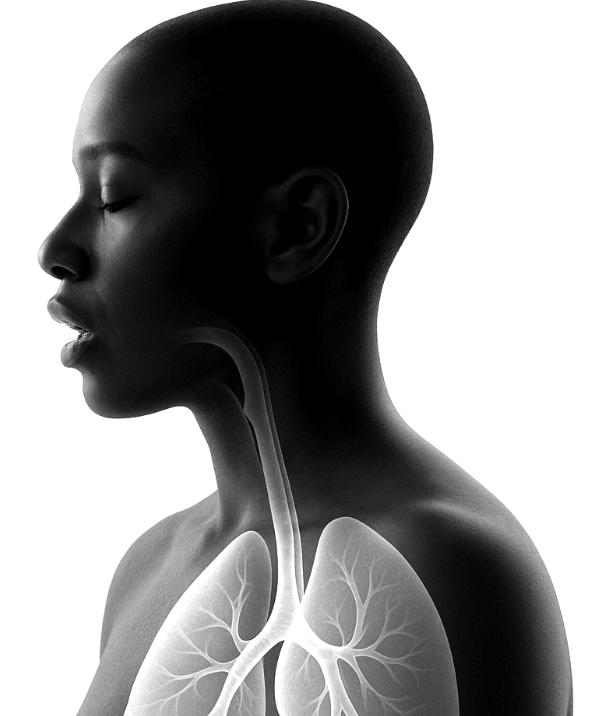
We rarely stop to think about what’s actually set in motion when we breathe. Air in, air out done. But sometimes, it’s not just oxygen entering the lungs. Sometimes, it’s something that has no business being there at all: bacteria from the mouth.
In recent years, researchers have made some surprising discoveries. Lung tissue samples from patients often those with chronic lung diseases such as COPD or recurrent pneumonia frequently contain bacteria that are normally found only in the mouth. Porphyromonas gingivalis, Fusobacterium nucleatum, Streptococcus mutans typical residents of gum pockets and dental plaque.
How do they get there? Two routes are most likely:
Microaspiration
Tiny amounts of saliva, loaded with bacteria, “go down the wrong way” during sleep or swallowing and make their way into the lower airways.
Bloodstream pathway
In gum inflammation, bacteria can enter the circulatory system and travel via the lung’s blood vessels into its tissue.
In both cases, this often happens unnoticed but the consequences are anything but quiet. These foreign microbes can fuel inflammation, worsen existing lung damage, or trigger acute infections. The most vulnerable include older adults, people with weakened immune systems, and patients on mechanical ventilation.
The striking point is this: these findings shift the boundaries of prevention. Lung health doesn’t start in the chest it starts in the mouth. Regular professional dental cleanings, monitoring, and treatment of gum disease could save not only teeth but also protect the lungs.
It’s yet another reminder that the body is an interconnected network and when bacteria get the upper hand in one place, they can eventually cause harm in another.
So perhaps at your next dental appointment, remember: good oral hygiene isn’t just about looking nice it’s a duty to your overall health.
Issued in accordance with CIRA Protocol standards. All published content is based on peer-reviewed sources and aims to support structured health literacy. No diagnostic,therapeutic or individual health claims are made. Data interpretation is subject to context,population norms and methodological consistency.
Patterns speak before symptoms. Health is often what doesn‘t hurt yet.