
Toothbrushing Frequency Shapes the Respiratory Tract Microbiome
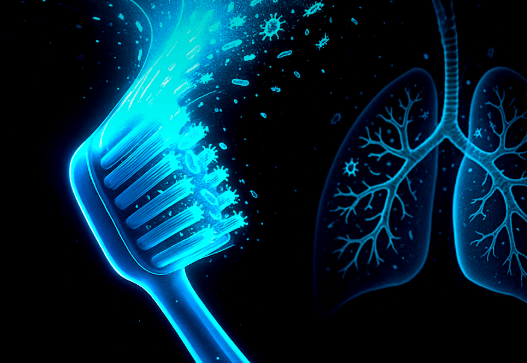
Brushing your teeth for many, it’s a half-automatic gesture: groggy in the morning, a quick scrub before bed at night. Twice a day… or maybe not. What often goes unnoticed is that your toothbrush doesn’t just affect your smile it also influences what lives and happens in your airways.
From the nose down to the deepest bronchi, the respiratory tract is constantly in contact with what’s going on in the mouth. Saliva, the tongue, the gums each is a source of microorganisms that, while speaking, swallowing, or even during sleep, can travel to the throat and further down into the lower respiratory tract. When there’s a high buildup of plaque and bacterial load in the mouth, the number of microbes reaching the airways also increases.
Studies show that people who brush less than twice a day not only harbor more pathogenic bacteria in the mouth, but also display an altered composition of their respiratory tract microbiome. In these cases, microbes linked to respiratory infections, chronic bronchitis, and even pneumonia appear more frequently.
This doesn’t mean skipping one brushing session will immediately make you sick. But persistently low brushing frequency can allow a bacterial profile to develop that increases the risk of infections or inflammatory flare-ups especially in individuals with COPD, asthma, or weakened immune systems.
Interestingly, it’s not just about “fewer germs” through brushing it’s also about maintaining a stable microbial balance. Regular removal of plaque helps beneficial bacteria stay dominant, while pathogenic species fail to establish a lasting foothold.
In other words: brushing regularly and thoroughly not only benefits your teeth, but also, behind the scenes, cultivates a healthier respiratory microbiome and supports your lung defenses.
So perhaps toothbrushing isn’t just an aesthetic act it may be the simplest form of respiratory care.
Issued in accordance with CIRA Protocol standards. All published content is based on peer-reviewed sources and aims to support structured health literacy. No diagnostic,therapeutic or individual health claims are made. Data interpretation is subject to context,population norms and methodological consistency.
Patterns speak before symptoms. Health is often what doesn‘t hurt yet.