Caries Bacteria on Heart Valves
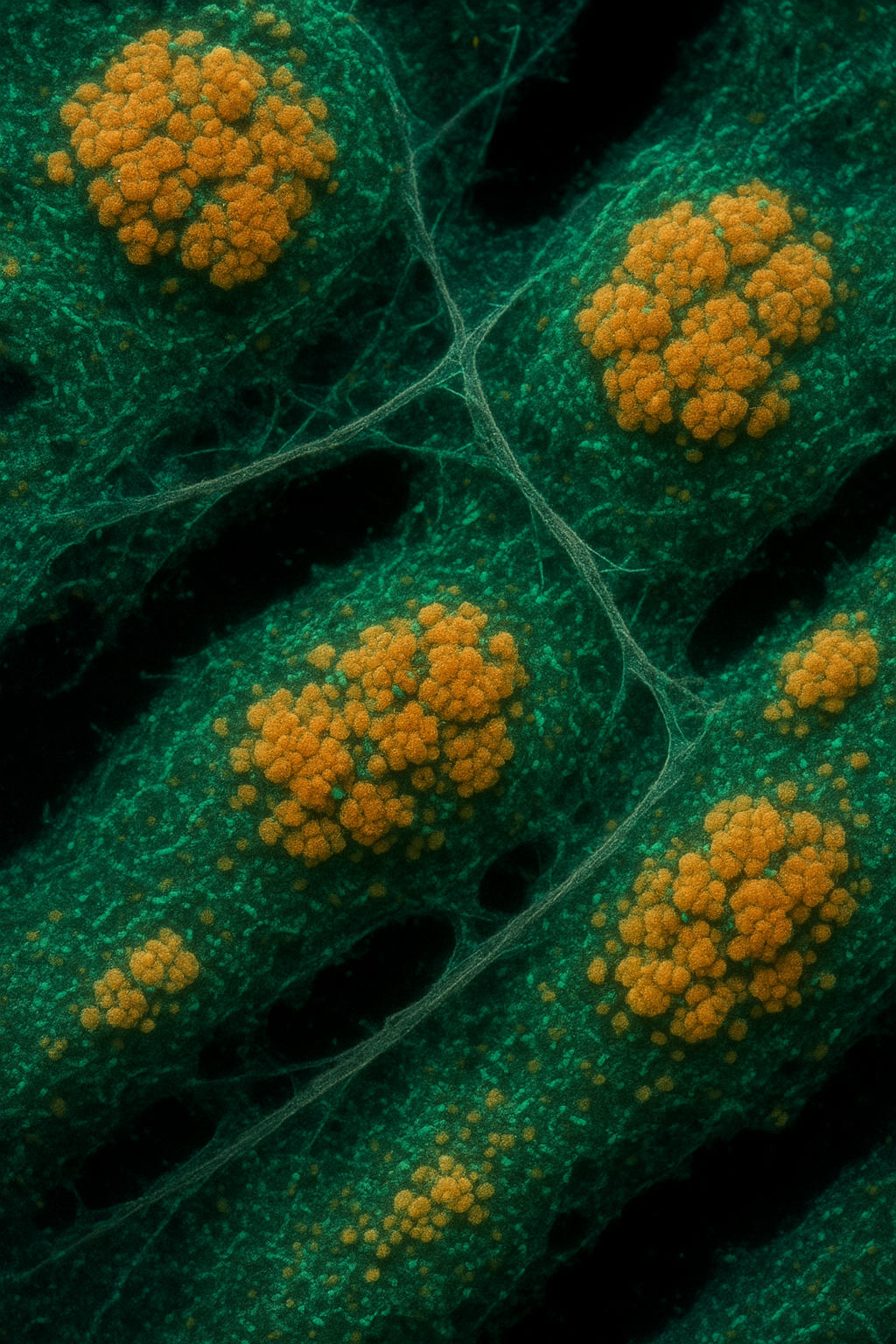
Imagine this: your dentist finds bacteria in a cavity. Typical, harmless, you might think. Just caries. Annoying, but manageable. Drill, fill, done. And then, a few weeks later those same bacteria are no longer in your mouth, but on a heart valve. Sounds absurd? It’s not.
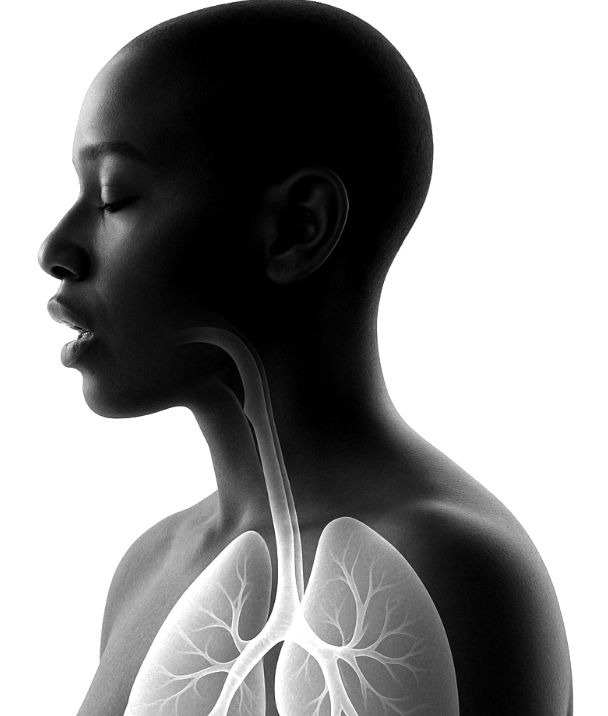
Because this is medical reality. Scientifically proven. Time and again, classic oral streptococci especially Streptococcus mutans, the main culprit behind dental caries have been detected in the heart tissue of patients suffering from endocarditis, a frequently fatal inflammation of the inner lining of the heart.
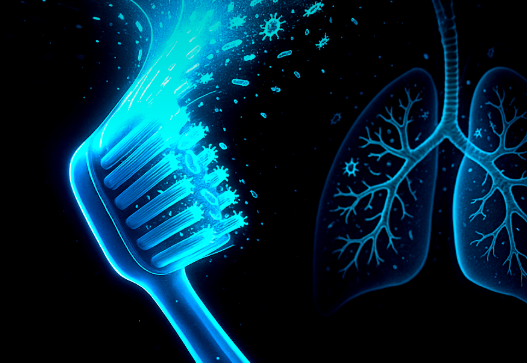
How do they get there? Through tiny wounds. Bleeding gums, small mucosal tears, poorly maintained implants it doesn’t take much. The bacteria enter the bloodstream. And if they encounter a pre-damaged or prosthetic heart valve, they latch on. Then? The damage begins: biofilm formation, inflammatory response, tissue destruction.
It’s a silent attack from inside your own mouth. And it’s almost always underestimated.
This risk is particularly severe for people with congenital heart defects, artificial valves, or weakened immune systems. For them, seemingly harmless caries bacteria can become a life-threatening danger. That’s why cardiologists now advise: anyone facing surgery, anyone receiving a valve prosthesis, anyone with a heart condition above all, they need healthy teeth.
But in practice? It’s rarely addressed. Not during pre-op consultations, nor in follow-up care. And that’s grossly negligent. Because the data is clear. The studies exist. What’s missing is action.
Perhaps it needs to be said plainly: if you have caries, you're carrying a potential risk not just for toothaches, but for infections that could have fatal consequences.